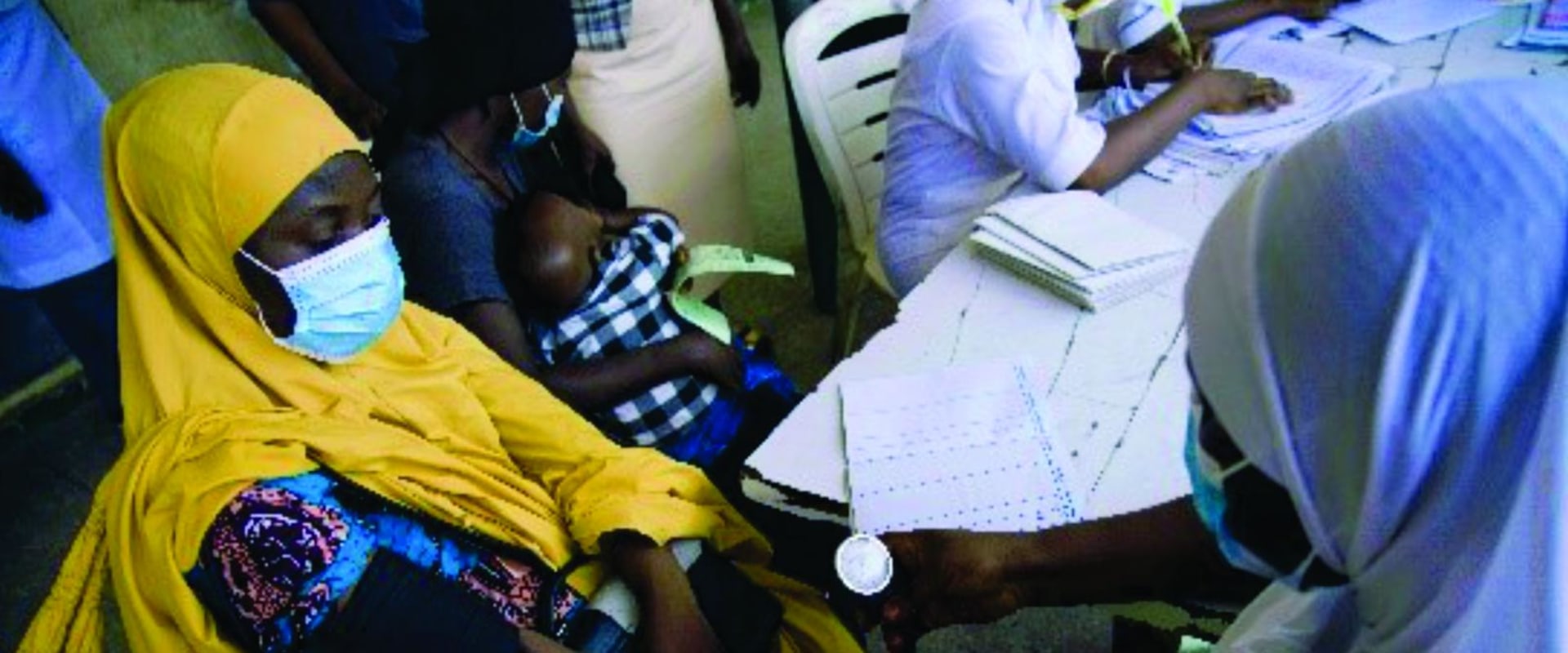
Hypertension, commonly referred to as high blood pressure, is a pressing global health concern that affects millions of individuals across diverse populations. This condition is often dubbed the "silent killer" due to its asymptomatic nature, which allows it to progress unchecked until serious health complications arise. Globally, the prevalence of hypertension has reached alarming levels, with estimates suggesting that over 1.13 billion people are living with this condition. The World Health Organization (WHO) highlights that hypertension is a significant risk factor for cardiovascular diseases, strokes, and kidney failure, making it imperative to address this issue comprehensively.In Africa, the situation is particularly dire. Hypertension, commonly referred to as high blood pressure, is a pressing global health concern that affects millions of individuals across diverse populations. This condition is often dubbed the "silent killer" due to its asymptomatic nature, which allows it to progress unchecked until serious health complications arise. Globally, the prevalence of hypertension has reached alarming levels, with estimates suggesting that over 1.13 billion people are living with this condition. The World Health Organization (WHO) highlights that hypertension is a significant risk factor for cardiovascular diseases, strokes, and kidney failure, making it imperative to address this issue comprehensively.In Africa, the situation is particularly dire.
The continent has one of the highest rates of hypertension in the world, with nearly half of adults aged 25 and older affected. This staggering statistic underscores the urgent need for targeted interventions and awareness campaigns tailored to the unique challenges faced by African communities. Factors such as urbanization, lifestyle changes, and socio-economic stressors contribute to the rising prevalence of hypertension among black populations. These communities often experience a confluence of risk factors that exacerbate their vulnerability to this condition.Understanding hypertension within the context of black health is crucial for developing effective strategies for prevention and management.
The intersectionality of race, socio-economic status, and access to healthcare plays a significant role in how hypertension manifests and is treated in these populations. By exploring the specific challenges faced by black communities in Africa and beyond, we can better appreciate the complexities surrounding hypertension and work towards implementing best practices that promote health equity.
The Prevalence of Hypertension in Africa
Hypertension, often referred to as high blood pressure, is a significant public health issue in Africa, particularly among black populations. The World Health Organization (WHO) reports that nearly 46% of adults aged 25 and older in Africa are affected by this condition. This statistic is alarming and highlights the urgent need for awareness and intervention.Several studies have been conducted to understand the prevalence of hypertension across different regions in Africa.For instance, the South African National Health and Nutrition Examination Survey (SANHANES) revealed that hypertension rates vary significantly between urban and rural populations. Urban areas tend to report higher rates due to lifestyle changes, including increased consumption of processed foods and reduced physical activity.In addition to lifestyle factors, genetic predispositions also play a crucial role in the prevalence of hypertension among black Africans. Research indicates that certain genetic markers may increase susceptibility to high blood pressure, making it essential to consider both environmental and hereditary factors when addressing this health crisis.Moreover, the impact of socioeconomic status cannot be overlooked. Many individuals in lower-income brackets face barriers to accessing healthcare services, which can lead to undiagnosed and untreated hypertension.
This situation is exacerbated by a lack of health education regarding the risks associated with high blood pressure and its management.Furthermore, the intersection of hypertension with other health issues prevalent in Africa, such as HIV , complicates the landscape. Studies have shown that individuals living with HIV are at a higher risk of developing hypertension due to inflammation and damage to blood vessels caused by the virus.In summary, the prevalence of hypertension in Africa is a multifaceted issue influenced by a combination of genetic, lifestyle, socioeconomic, and health-related factors. Addressing this epidemic requires a comprehensive approach that includes public health initiatives aimed at education, prevention, and treatment tailored specifically for black populations.
Risk Factors for Hypertension in African Populations
Hypertension, often referred to as high blood pressure, is a complex condition influenced by a myriad of factors. In African populations, both traditional and non-traditional risk factors play a significant role in the prevalence of this condition.Understanding these risk factors is crucial for developing effective prevention and management strategies.
Lifestyle Changes
One of the most significant contributors to hypertension in Africa is the shift in lifestyle patterns. As urbanization increases, many individuals are adopting more sedentary lifestyles. This transition often leads to:- Decreased Physical Activity: With more people working in office settings and relying on vehicles for transportation, physical activity levels have plummeted. Regular exercise is essential for maintaining healthy blood pressure levels.
- Dietary Changes: The traditional African diet, which was often rich in fruits, vegetables, and whole grains, is being replaced by diets high in processed foods, sugars, and sodium.
Increased salt intake is particularly concerning as it directly correlates with elevated blood pressure.
- Obesity: The combination of reduced physical activity and poor dietary choices has led to rising obesity rates across the continent. Obesity is a well-known risk factor for hypertension, as excess body weight can strain the heart and increase blood pressure.
Genetic Predispositions
Genetics also plays a critical role in the development of hypertension among African populations. Studies have shown that certain genetic markers may predispose individuals to higher blood pressure levels. For instance:- Family History: A family history of hypertension can significantly increase an individual's risk.
Genetic factors can influence how the body regulates blood pressure and responds to stressors.
- Ethnic Variations: Different ethnic groups within Africa may exhibit varying susceptibilities to hypertension due to genetic diversity. Understanding these variations can help tailor prevention strategies.
Social Determinants of Health
The social determinants of health are another critical aspect influencing hypertension rates in Africa. Factors such as:- Socioeconomic Status: Individuals from lower socioeconomic backgrounds often face barriers to accessing healthcare, nutritious food, and education about healthy lifestyle choices.
- Stress and Mental Health: Chronic stressors related to poverty, unemployment, and social instability can lead to psychological distress, which has been linked to increased blood pressure.
- Cultural Beliefs: Cultural attitudes towards health and wellness can also impact how communities perceive and manage hypertension. In some cases, there may be stigma associated with seeking medical help or adhering to treatment regimens.
By understanding these risk factors, healthcare providers can develop targeted interventions that promote better health outcomes for individuals at risk of hypertension.
The Impact of HIV on Hypertension Rates
The relationship between HIV and hypertension is a critical area of study, particularly in the African context where both conditions are prevalent. Understanding how these two health issues interact is essential for developing effective public health strategies aimed at improving black health outcomes.HIV, a virus that attacks the immune system, can lead to various health complications that may indirectly contribute to the development of hypertension. One significant mechanism is through the inflammatory response triggered by the virus. Chronic inflammation can damage blood vessels, leading to increased vascular resistance and, consequently, elevated blood pressure levels.Moreover, individuals living with HIV often experience a range of comorbidities that can exacerbate hypertension.For instance, metabolic syndrome—a cluster of conditions including obesity, high blood pressure, and abnormal cholesterol levels—is more common among those with HIV. This syndrome not only increases the risk of cardiovascular diseases but also complicates the management of hypertension.Another factor to consider is the impact of antiretroviral therapy (ART). While ART is crucial for managing HIV and improving life expectancy, some medications can have side effects that include weight gain and increased blood pressure. This dual effect poses a challenge for healthcare providers who must balance the benefits of ART with its potential to exacerbate hypertension.Public health strategies must therefore address this intersection between HIV and hypertension.
Screening for hypertension should be a routine part of care for individuals living with HIV. Additionally, healthcare providers should be trained to recognize the signs of hypertension in this population and implement appropriate management strategies.Furthermore, community-based interventions that promote healthy lifestyle choices—such as regular physical activity and balanced nutrition—can play a vital role in mitigating the risks associated with both conditions. By fostering environments that support healthy living, we can help reduce the burden of hypertension among those affected by HIV.In conclusion, the connection between HIV and hypertension is complex and multifaceted. Addressing this relationship through targeted public health initiatives is essential for improving health outcomes in African populations, particularly among black communities disproportionately affected by these conditions.
Best Practices for Controlling Hypertension in Africa
Effectively managing hypertension in Africa requires a multifaceted approach that encompasses lifestyle modifications, dietary changes, and accessible medical treatments.Each of these components plays a crucial role in controlling blood pressure and improving overall health outcomes for individuals at risk.
Lifestyle Modifications
Adopting healthier lifestyle habits is essential for individuals living with hypertension. Here are some key strategies:- Regular Physical Activity: Engaging in at least 150 minutes of moderate-intensity aerobic exercise each week can significantly lower blood pressure. Activities such as walking, cycling, and swimming are excellent options that can be easily integrated into daily routines.
- Avoiding Tobacco and Limiting Alcohol: Smoking cessation is vital, as tobacco use can elevate blood pressure and damage blood vessels. Additionally, limiting alcohol intake to moderate levels can help maintain healthy blood pressure.
- Stress Management: Chronic stress is a known contributor to hypertension.
Techniques such as mindfulness, meditation, and yoga can help individuals manage stress effectively.
Dietary Recommendations
A balanced diet rich in essential nutrients can have a profound impact on blood pressure control. Consider the following dietary practices:- DASH Diet: The Dietary Approaches to Stop Hypertension (DASH) diet emphasizes fruits, vegetables, whole grains, lean proteins, and low-fat dairy while reducing sodium intake. This diet has been shown to lower blood pressure significantly.
- Reducing Sodium Intake: Limiting salt consumption to less than 2,300 mg per day (or ideally 1,500 mg) can help reduce hypertension. This can be achieved by avoiding processed foods and using herbs and spices for flavoring instead of salt.
- Increasing Potassium-Rich Foods: Foods high in potassium, such as bananas, oranges, potatoes, and spinach, can help counteract the effects of sodium and lower blood pressure.
Accessible Medical Treatments
For many individuals in Africa, access to affordable healthcare is a significant barrier to managing hypertension.However, there are effective treatment options available:
- Combination Therapies: As highlighted by the CREOLE study, using combination therapies that involve two medications can be more effective in controlling blood pressure while being more cost-effective for patients.
- Regular Monitoring: Routine check-ups and blood pressure monitoring are essential for assessing treatment effectiveness and making necessary adjustments.
- Community Health Programs: Initiatives that focus on education about hypertension management and provide access to medications can empower communities to take charge of their health.
The Role of Healthcare Providers in Managing Hypertension
Healthcare providers are at the forefront of managing hypertension, particularly in regions like Africa where the prevalence is alarmingly high. Their role extends beyond mere diagnosis; it encompasses a comprehensive approach that includes screening , patient education, and ongoing management of the condition.Screening
for hypertension is crucial, especially in populations at risk. Regular blood pressure checks can help identify individuals who may not exhibit symptoms but are nonetheless at risk for serious health complications. Healthcare providers should implement routine screenings during patient visits, particularly for those with additional risk factors such as obesity, diabetes, or a family history of cardiovascular diseases.
Furthermore, it is essential to screen for related conditions like HIV, which can exacerbate hypertension and complicate treatment plans.In addition to screening, healthcare providers play a vital role in patient education. Educating patients about hypertension—its causes, risks, and management strategies—empowers them to take an active role in their health. Providers should discuss lifestyle modifications such as dietary changes, increased physical activity, and stress management techniques. For instance, advising patients on the benefits of a low-sodium diet and regular exercise can significantly impact their blood pressure levels.Moreover, healthcare providers must ensure that patients understand the importance of adhering to prescribed medications.
Many individuals may be hesitant to take multiple medications due to cost or side effects. By explaining the rationale behind combination therapies and addressing any concerns, providers can improve medication adherence and overall treatment outcomes.Finally, ongoing support from healthcare providers is essential for effective hypertension management. Regular follow-ups allow for monitoring of blood pressure levels and adjustment of treatment plans as necessary. This continuous care model not only helps in managing hypertension but also fosters a trusting relationship between patients and providers, which is crucial for long-term health outcomes.In summary, healthcare providers are integral to the fight against hypertension in Africa.
Through diligent screening practices, comprehensive patient education, and ongoing support, they can significantly reduce the burden of this condition on individuals and communities alike.
Community-Based Approaches to Hypertension Control
Community-based approaches have emerged as vital strategies in the fight against hypertension, particularly within black communities in Africa. These initiatives not only aim to raise awareness about hypertension but also focus on providing practical solutions for its management and prevention.One successful example is the Community Health Worker (CHW) program implemented in various regions. This program trains local health workers to educate their communities about hypertension, its risks, and the importance of regular blood pressure monitoring. By leveraging trusted community members, these programs foster a sense of ownership and encourage individuals to take charge of their health.Another noteworthy initiative is the Hypertension Awareness Campaign , which utilizes local media, workshops, and community events to disseminate information about hypertension.These campaigns often include:
- Screening Events: Free blood pressure screenings are offered at community centers, markets, and churches, making it accessible for everyone.
- Educational Workshops: Sessions that cover topics such as healthy eating, physical activity, and stress management are organized to empower individuals with knowledge.
- Support Groups: Establishing peer support groups helps individuals share experiences and strategies for managing hypertension effectively.
Addressing Social Determinants of Health to Combat Hypertension
Hypertension is not merely a medical condition; it is deeply intertwined with various social determinants of health that significantly influence its prevalence and management, particularly in Africa.Understanding these determinants is crucial for developing effective strategies to combat hypertension.
Economic Factors
Economic stability plays a pivotal role in health outcomes. In many African nations, poverty remains a significant barrier to accessing healthcare services. Individuals from low-income backgrounds often face challenges such as:
- Limited access to healthcare facilities: Many rural areas lack adequate medical infrastructure, making it difficult for individuals to receive timely diagnosis and treatment for hypertension.
- Inability to afford medications: The cost of antihypertensive medications can be prohibitive, leading to non-adherence and worsening health outcomes.
- Poor nutrition: Economic constraints often result in diets high in processed foods and sodium, which are linked to increased blood pressure.
Access to Healthcare Services
Access to quality healthcare is essential for effective hypertension management. Unfortunately, many individuals in Africa encounter systemic barriers that hinder their ability to seek care:
- Geographical barriers: In remote regions, the distance to healthcare facilities can discourage individuals from seeking regular check-ups or treatment.
- Lack of health insurance: Without insurance coverage, the financial burden of healthcare can deter individuals from pursuing necessary medical attention.
- Cultural beliefs and stigma: Some communities may harbor misconceptions about hypertension or view it as a taboo subject, preventing individuals from discussing their health concerns openly.
Education and Awareness
Education is a powerful tool in combating hypertension.
Increasing awareness about the condition, its risks, and management strategies can empower individuals to take charge of their health. Educational initiatives should focus on:
- Promoting healthy lifestyle choices: Community programs that encourage physical activity and healthy eating can help mitigate risk factors associated with hypertension.
- Understanding the importance of regular screenings: Educating the public about the significance of routine blood pressure checks can lead to early detection and intervention.
- Addressing mental health: Providing resources for mental well-being can help alleviate stressors that contribute to hypertension.
Conclusion: A Call to Action for Better Health Outcomes in Africa
In summary, the issue of hypertension in Africa is a multifaceted challenge that requires urgent attention and action. The statistics are alarming, with nearly half of adults over the age of 25 affected by this condition.This prevalence not only poses a significant risk to individual health but also places an immense burden on healthcare systems across the continent.Throughout this article, we have explored various factors contributing to the high rates of hypertension among African populations. These include traditional risk factors such as genetics and lifestyle choices, as well as less traditional influences like social stressors and the impact of HIV. Understanding these elements is crucial for developing effective strategies to combat hypertension.Moreover, the findings from studies like CREOLE highlight the importance of tailored treatment approaches for black Africans. The effectiveness of combination therapies offers a promising avenue for managing blood pressure levels, especially in regions where access to healthcare resources is limited.
By simplifying treatment regimens, we can enhance adherence and improve health outcomes.However, addressing hypertension in Africa goes beyond medical interventions. It necessitates a comprehensive approach that includes:
- Public Awareness Campaigns: Educating communities about the risks associated with hypertension and promoting healthy lifestyle choices.
- Access to Healthcare: Ensuring that individuals have access to affordable medications and regular health screenings.
- Policy Initiatives: Advocating for government policies that prioritize cardiovascular health and allocate resources for hypertension management.
- Community Support Programs: Establishing support networks that address social determinants of health, including stress management and mental health services.