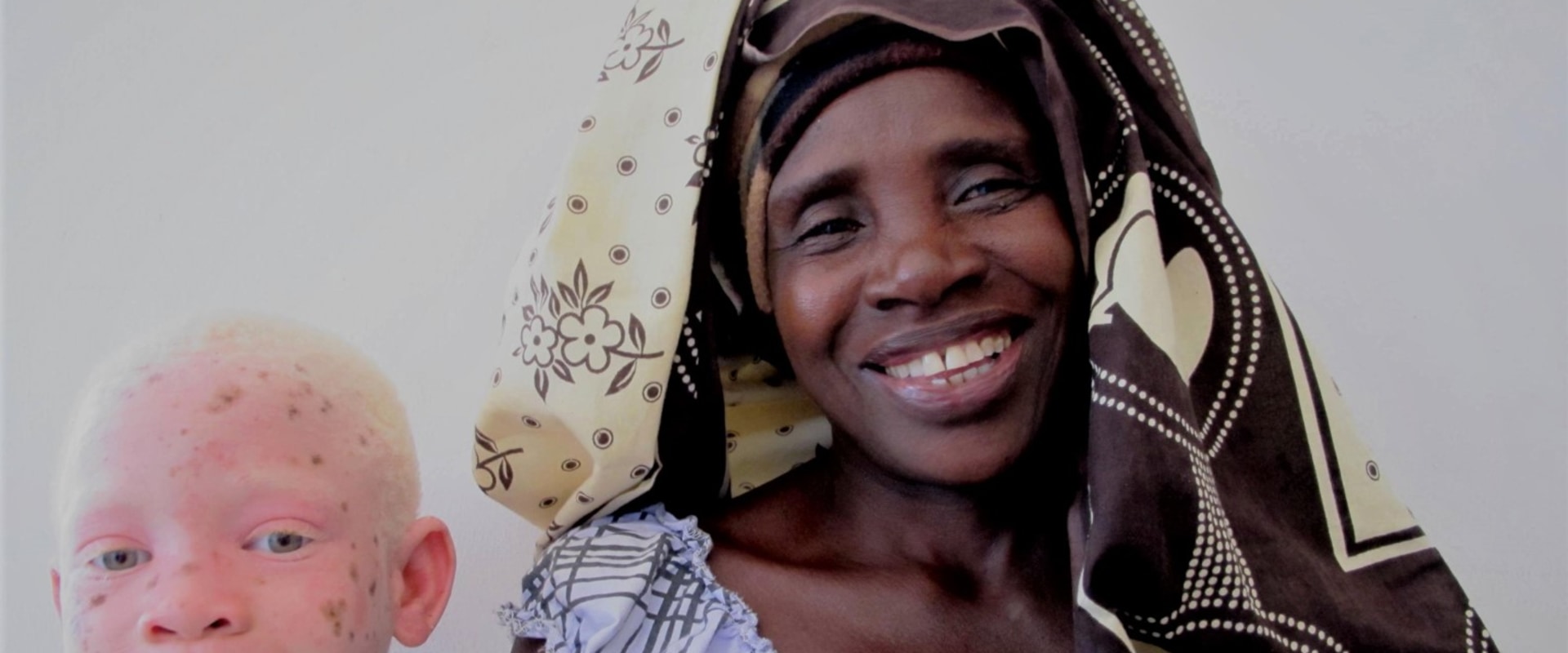
Africa, often referred to as the cradle of humanity, is a continent rich in genetic diversity. This diversity is not merely a reflection of the myriad ethnic groups that inhabit the region but also a testament to the complex evolutionary history that has shaped the genetic makeup of its populations. Understanding this genetic landscape is crucial for addressing black health issues, as it provides insights into the prevalence of various genetic diseases that disproportionately affect African communities.The significance of genetic diversity in Africa cannot be overstated. It serves as a foundation for understanding how certain genetic traits and disorders manifest within different populations.
For instance, conditions such as sickle cell anemia and thalassemia are more prevalent in specific ethnic groups due to historical adaptations to environmental pressures, such as malaria. These adaptations highlight the intricate relationship between genetics and health outcomes, emphasizing the need for tailored healthcare approaches that consider the unique genetic profiles of African populations.Moreover, the exploration of genetic diseases in Africa reveals not only the challenges faced by these communities but also opportunities for advancements in medical research and public health initiatives. By mapping out the genetic variations and their implications for health, researchers can develop targeted interventions that address the specific needs of African populations. This approach not only enhances our understanding of black health but also fosters a more inclusive perspective in global health discussions.As we delve deeper into the genetic landscape of Africa, it becomes evident that this exploration is not just an academic pursuit; it is a vital step towards improving health outcomes for millions.
By uncovering the complexities of genetic diversity and its impact on health, we can pave the way for more effective healthcare strategies that honor and respect the rich tapestry of African heritage.
The Importance of Genetic Research in Africa
Genetic research in Africa is not merely an academic pursuit; it holds profound implications for the health and well-being of its diverse populations. Understanding the genetic landscape of African communities can lead to significant advancements in public health, disease prevention, and personalized medicine.One of the primary reasons genetic research is crucial in Africa is the continent's rich genetic diversity. Africa is home to a vast array of ethnic groups, each with unique genetic traits and susceptibilities to various diseases. This diversity can provide insights into the genetic basis of health conditions that disproportionately affect African populations, such as sickle cell disease, malaria, and hypertension.By identifying specific genetic markers associated with these conditions, researchers can develop targeted interventions and treatments.Moreover, genetic research can enhance our understanding of how environmental factors interact with genetics to influence health outcomes. For instance, certain dietary habits or exposure to pathogens may have different effects on individuals based on their genetic makeup. This knowledge is vital for creating effective public health strategies tailored to specific communities.In addition to improving disease prevention strategies, genetic research paves the way for advancements in personalized medicine. By analyzing an individual's genetic profile, healthcare providers can offer customized treatment plans that consider their unique genetic predispositions.
This approach not only increases the efficacy of treatments but also minimizes adverse effects, leading to better patient outcomes.Furthermore, establishing a comprehensive African genetic database is essential for facilitating research and collaboration across the continent. Such a resource would enable scientists to share data and findings, fostering a collaborative environment that accelerates discoveries in genetics and health.In conclusion, the importance of genetic research in Africa cannot be overstated. It serves as a cornerstone for improving public health initiatives, enhancing disease prevention efforts, and advancing personalized medicine. As we continue to uncover the complexities of African genetics, we move closer to addressing the unique health challenges faced by its populations.
Common Genetic Disorders Affecting African Populations
African populations are characterized by a rich tapestry of genetic diversity, which unfortunately also includes a higher prevalence of certain genetic disorders.Among these, sickle cell anemia (SCD) is one of the most significant health challenges. This hereditary condition affects the shape and function of red blood cells, leading to severe pain episodes, increased risk of infections, and other serious complications. It is estimated that approximately 224,200 new cases of sickle cell anemia are diagnosed each year in Africa alone, making it a critical public health issue.Beyond sickle cell anemia, several other genetic disorders disproportionately affect African populations. For instance:
- Thalassemia: This blood disorder results in reduced hemoglobin production and is particularly prevalent in North African and Mediterranean regions.
- G6PD Deficiency: Glucose-6-phosphate dehydrogenase deficiency is a common enzymatic disorder that can lead to hemolytic anemia, especially in response to certain medications or infections.
- Beta-thalassemia: Similar to sickle cell disease, this condition affects hemoglobin production and is found in various African ethnic groups.
- Cystic Fibrosis: Although more commonly associated with Caucasian populations, certain mutations related to cystic fibrosis have been identified in African communities.
Understanding the genetic landscape is crucial for developing effective screening programs and treatment options. For example, early diagnosis of sickle cell disease can significantly improve patient outcomes through timely interventions and management strategies.Moreover, the impact of these genetic disorders extends beyond individual health; they also pose significant economic burdens on families and healthcare systems. The costs associated with treatment, hospitalizations, and loss of productivity due to chronic illness can be substantial. Therefore, investing in research and public health initiatives aimed at understanding and mitigating these genetic disorders is essential for improving black health across the continent.
Ethnic Variations in Genetic Disorders
The genetic landscape of Africa is as diverse as its cultures and ethnic groups.Each ethnic group exhibits unique genetic traits that can influence their susceptibility to various genetic disorders. Understanding these variations is crucial for developing targeted healthcare strategies and improving health outcomes across the continent.For instance, the Yoruba people of Nigeria have been extensively studied for their genetic predisposition to certain conditions. Research indicates a higher prevalence of sickle cell disease (SCD) among this group, attributed to the historical presence of malaria in the region. The sickle cell trait provides some protection against malaria, leading to a higher frequency of the gene in populations where malaria is endemic.Similarly, the Afrikaner community in South Africa has a notable incidence of specific genetic disorders such as porphyria, which affects the production of heme in the body.
This condition is particularly prevalent due to the community's historical genetic bottleneck, which limited genetic diversity.In contrast, the Amhara people of Ethiopia show a different genetic profile, with increased rates of conditions like beta-thalassemia. This disorder is linked to the region's agricultural practices and dietary habits, which may have influenced genetic selection over generations.The implications of these ethnic variations are profound for healthcare systems. Tailoring medical interventions based on ethnic backgrounds can lead to more effective treatments and preventive measures. For example, understanding that certain populations are at higher risk for specific disorders allows healthcare providers to implement early screening programs and educational campaigns aimed at those communities.Moreover, as researchers continue to uncover the intricate relationships between genetics and health within African populations, it becomes increasingly clear that a one-size-fits-all approach to healthcare is inadequate.
Instead, a nuanced understanding of ethnic diversity in genetics will pave the way for personalized medicine that respects and addresses the unique needs of each group.In conclusion, recognizing and studying the ethnic variations in genetic disorders not only enhances our understanding of health disparities but also empowers communities through informed healthcare practices. As we move forward, it is essential to integrate this knowledge into public health strategies to improve health outcomes across Africa.
The Role of Genetics in Disease Resistance
Genetics plays a pivotal role in determining an individual's susceptibility to various diseases, including infectious diseases like HIV. One of the most significant genetic factors associated with disease resistance is the CCR5 gene. This gene encodes a protein that acts as a receptor on the surface of certain immune cells, including T cells, which are crucial for the body’s defense against infections.Research has shown that specific mutations in the CCR5 gene can confer resistance to HIV infection.The most well-known mutation, known as CCR5-Δ32, results in a non-functional receptor. Individuals who are homozygous for this mutation (having two copies) are largely resistant to HIV, as the virus relies on the CCR5 receptor to enter and infect T cells. This genetic trait is particularly interesting in the context of African populations, where the prevalence of HIV is significantly higher compared to other regions.Studies indicate that while the CCR5-Δ32 mutation is relatively rare in sub-Saharan Africa, other variants of the CCR5 gene may exist that also provide some level of protection against HIV. For instance, certain African populations have been found to possess different alleles that may influence their immune response to HIV infection.
This highlights the importance of understanding genetic diversity within African communities and how it relates to health outcomes.Moreover, the relationship between genetics and disease resistance extends beyond just HIV. Other infectious diseases prevalent in Africa, such as malaria and tuberculosis, also exhibit genetic components that influence susceptibility and resistance. For example, individuals with sickle cell trait have a natural resistance to malaria, showcasing how specific genetic adaptations can arise in response to environmental pressures.In conclusion, exploring the genetic landscape of Africa provides valuable insights into how certain genetic traits can enhance disease resistance. Understanding these mechanisms not only aids in developing targeted treatments and preventive measures but also emphasizes the need for comprehensive genetic research within African populations to uncover further protective factors against diseases like HIV.
Challenges in Genetic Research in Africa
Conducting genetic research in Africa presents a unique set of challenges that can hinder the progress and effectiveness of studies aimed at understanding the continent's rich genetic diversity.One of the most pressing issues is the lack of funding. Many research initiatives struggle to secure adequate financial resources, which limits their ability to conduct comprehensive studies. This funding gap is often exacerbated by a lack of prioritization from international funding bodies, which may focus on more immediate health crises rather than long-term genetic research.Moreover, the infrastructure for genetic research in many African countries is still developing. Laboratories may lack the necessary equipment or technology to conduct advanced genetic analyses, which can lead to delays in research timelines and compromised data quality.
This situation is particularly concerning given the rapid advancements in genetic technologies globally, which could be leveraged to benefit African populations if resources were available.Another significant challenge is related to data collection. The process of gathering genetic data from diverse populations across Africa is fraught with difficulties. Many regions have limited access to healthcare facilities, making it challenging to recruit participants for studies. Additionally, cultural sensitivities and varying levels of awareness about genetic research can lead to hesitancy among potential participants, further complicating recruitment efforts.Furthermore, ethical considerations play a crucial role in data collection.
Researchers must navigate complex ethical landscapes that vary significantly across different communities and countries. Ensuring informed consent and protecting participants' privacy are paramount but can be difficult to manage in practice.To address these challenges, there is an urgent need for improved resources and support for genetic research in Africa. This includes:
- Increased funding: Both from local governments and international organizations to support ongoing and new research initiatives.
- Infrastructure development: Investing in laboratory facilities and training programs for local scientists to enhance their capabilities.
- Collaborative efforts: Encouraging partnerships between African researchers and international institutions can facilitate knowledge exchange and resource sharing.
- Community engagement: Building trust within communities through education about the benefits of genetic research can improve participation rates.
The Future of Genetic Research and Black Health Initiatives
The landscape of genetic research in Africa is poised for transformative change, particularly in the realm of black health. As we look to the future, several key initiatives and advancements are emerging that promise to enhance our understanding of genetic diversity and its implications for health outcomes among African populations.One of the most significant developments is the establishment of collaborative networks that connect African researchers with global scientific communities.These partnerships are essential for sharing knowledge, resources, and technology, which can accelerate the pace of discovery. For instance, initiatives like the African Genome Project aim to create a comprehensive database of genetic information from diverse African populations. This resource will not only facilitate research into genetic disorders prevalent in these communities but also help in tailoring medical treatments to be more effective based on genetic profiles.Moreover, advancements in genomic technologies, such as CRISPR and next-generation sequencing, are becoming increasingly accessible in Africa. These tools enable researchers to conduct more precise studies on genetic variations and their links to diseases.
As these technologies become integrated into local healthcare systems, they hold the potential to revolutionize how diseases are diagnosed and treated. For example, early detection of genetic predispositions to conditions like diabetes or hypertension can lead to proactive health management strategies.In addition to technological advancements, there is a growing emphasis on community engagement in health initiatives. Programs that educate communities about genetic health and encourage participation in research studies are vital. By fostering a culture of awareness and involvement, these initiatives can empower individuals to take charge of their health and contribute valuable data that can inform future research.Furthermore, addressing the social determinants of health is crucial for improving black health outcomes.
Genetic research must be complemented by efforts to tackle issues such as access to healthcare, nutrition, and education. Collaborative efforts between governments, NGOs, and academic institutions can create holistic approaches that not only focus on genetics but also consider environmental and lifestyle factors affecting health.In conclusion, the future of genetic research in Africa holds immense promise for enhancing black health. Through collaborative efforts, technological advancements, community engagement, and a focus on social determinants of health, we can pave the way for improved health outcomes and a deeper understanding of the genetic landscape across the continent.
Frequently Asked Questions about Genetics and Black Health
Understanding the intersection of genetics and health is crucial, especially when discussing the health of black populations. Here are some frequently asked questions that shed light on this important topic.What are genetic disorders, and how do they affect black health?
Genetic disorders are diseases caused by abnormalities in an individual's DNA.These can be inherited from parents or occur spontaneously. In black populations, certain genetic disorders are more prevalent due to historical and environmental factors. For instance, conditions like sickle cell disease and thalassemia are more common among individuals of African descent. Understanding these disorders is essential for effective diagnosis and treatment.
Why is there a higher prevalence of certain genetic conditions in black populations?
The higher prevalence of specific genetic conditions in black populations can often be attributed to evolutionary adaptations.For example, the sickle cell trait provides some resistance to malaria, which has historically been a significant health threat in sub-Saharan Africa. This natural selection has led to a higher frequency of the sickle cell gene in regions where malaria is endemic.
How can genetic testing benefit individuals in the black community?
Genetic testing can provide valuable insights into an individual's risk for certain genetic disorders. For those with a family history of conditions like sickle cell disease, testing can help identify carriers and inform reproductive choices. Additionally, understanding one’s genetic makeup can lead to personalized treatment plans that cater specifically to the needs of individuals based on their genetic profile.What role does education play in addressing genetic health issues?
Education is vital in combating misconceptions about genetics and health within the black community.By increasing awareness about the importance of genetic testing and understanding hereditary conditions, individuals can make informed decisions regarding their health. Community outreach programs that focus on genetics can empower individuals with knowledge, ultimately leading to better health outcomes.
Are there resources available for those seeking information on genetics and black health?
Yes, numerous resources are available for individuals seeking information on genetics and its impact on black health. Organizations such as the Sickle Cell Disease Association of America and the National Human Genome Research Institute provide educational materials, support networks, and access to genetic counseling services. These resources can help individuals navigate their health concerns more effectively.In conclusion, understanding genetics is essential for improving health outcomes in black populations.By addressing common questions and misconceptions, we can foster a more informed community that prioritizes genetic health.
Conclusion: The Path Forward for African Genetics Research and Health Equity
As we conclude our exploration of the genetic landscape of Africa, it is essential to reflect on the critical insights gained and the path forward for research and health equity. The genetic diversity present within African populations is not only a testament to the continent's rich history but also a vital resource for understanding health disparities and developing targeted interventions.Throughout this article, we have highlighted several key points:- Genetic Diversity: Africa is home to the most genetically diverse populations in the world, which has significant implications for health. Understanding this diversity can lead to better insights into genetic disorders that disproportionately affect African communities.
- Prevalence of Genetic Disorders: Conditions such as sickle cell anemia and other genetic diseases are prevalent in various ethnic groups across Africa. Recognizing these patterns is crucial for effective diagnosis and treatment.
- Need for Comprehensive Research: There is a pressing need for more extensive research initiatives that focus on African genetics.
This includes creating accessible databases that can facilitate studies on genetic disorders and their implications for health.
- Health Equity: Addressing the disparities in healthcare access and outcomes for African populations is paramount. Continued research can inform public health strategies aimed at improving health equity.
By doing so, we can ensure that the rich genetic heritage of Africa contributes to improved health outcomes and a brighter future for generations to come.