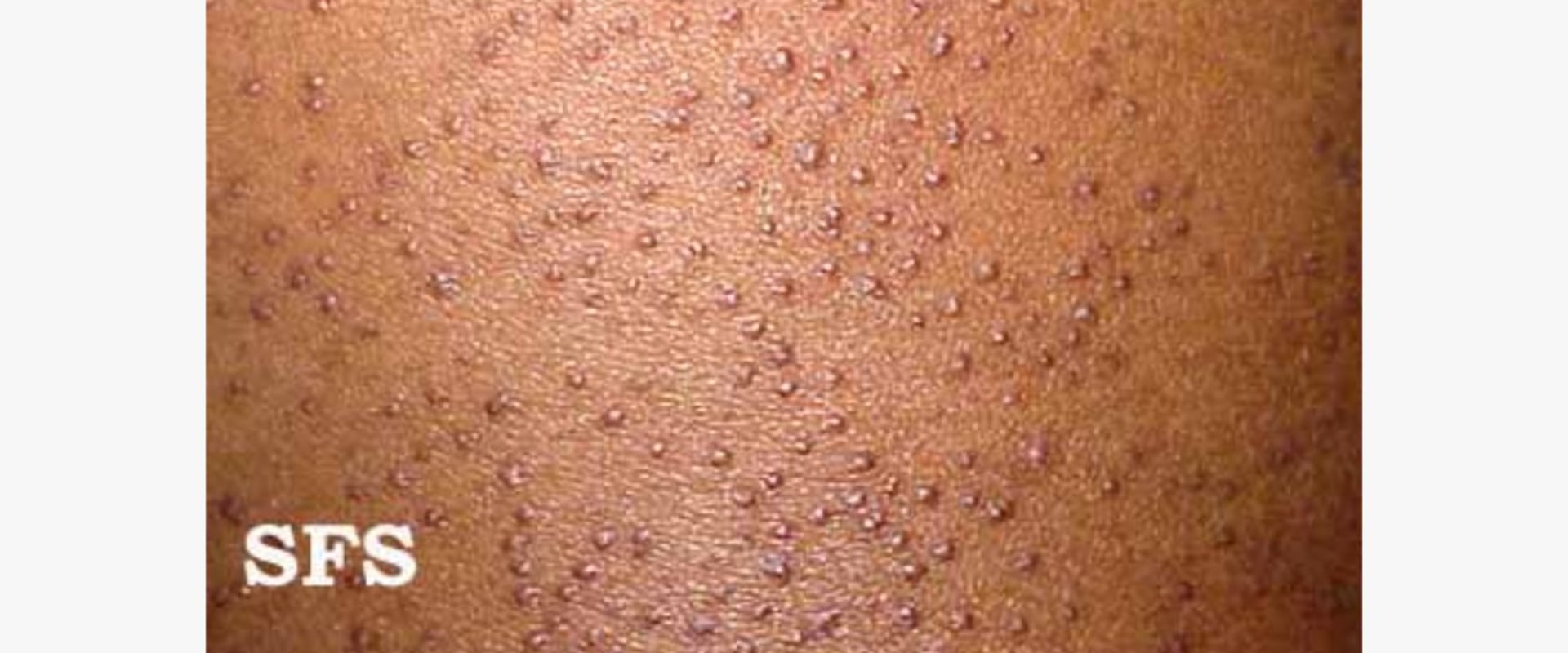
The intricate relationship between genetics and health is a critical area of study, particularly when examining the unique challenges faced by black communitiesblack communities. Genetics plays a significant role in determining an individual's susceptibility to various health conditions, influencing everything from metabolic processes to the body's response to environmental factors. Understanding these genetic predispositions is essential for addressing health disparities that disproportionately affect black populations.In many cases, specific genetic disorders are more prevalent in certain ethnic groups due to shared ancestry and genetic heritage. For instance, conditions such as sickle cell disease and hypertension have been shown to have higher incidence rates among individuals of African descent.
These disorders not only impact the quality of life for those affected but also place a considerable burden on healthcare systems. The interplay between genetics and environmental factors, such as socioeconomic status and access to healthcare, further complicates the health landscape in black communities.Moreover, the historical context of healthcare access and treatment for black individuals cannot be overlooked. Systemic inequalities have led to delayed diagnoses and inadequate treatment options, exacerbating the effects of genetic predispositions. As we delve deeper into the specific genetic conditions that affect black communities, it becomes increasingly clear that a multifaceted approach is necessary—one that combines genetic research with a commitment to addressing social determinants of health.By fostering a greater understanding of how genetics influences health outcomes, we can empower individuals within these communities to take proactive steps towards better health management.
This knowledge not only aids in early detection and intervention but also encourages advocacy for equitable healthcare policies that address the unique needs of black populations.
Genetic Disorders Prevalent in Black Communities
Genetic disorders significantly impact the health of black communities, with certain conditions being more prevalent due to inherited genetic traits. Understanding these disorders is crucial for improving health outcomes and providing targeted interventions.Sickle Cell Anemia
is one of the most well-known genetic disorders affecting individuals of African descent. This condition arises from a mutation in the HBB gene, which encodes for a component of hemoglobin. In sickle cell anemia, the abnormal hemoglobin causes red blood cells to assume a crescent or sickle shape, leading to blockages in blood vessels.
These blockages can result in severe pain crises, increased risk of infections, and organ damage. The prevalence of sickle cell anemia is particularly high among African Americans, with approximately 1 in 365 black births affected by this disorder.
Hypertension
, or high blood pressure, is another significant health concern within black communities. While hypertension can be influenced by lifestyle factors such as diet and physical activity, genetic predisposition plays a critical role. Studies have shown that certain genetic variants associated with hypertension are more common in individuals of African ancestry.
This condition often goes undiagnosed and untreated, leading to serious complications such as heart disease and stroke.
Type 2 Diabetes
is also disproportionately prevalent among black individuals. Genetic factors contribute to insulin resistance and impaired glucose metabolism, which are hallmarks of this condition. The risk of developing type 2 diabetes is compounded by environmental factors such as access to healthy foods and healthcare services. It is estimated that African Americans are nearly twice as likely to be diagnosed with diabetes compared to their white counterparts.In addition to these conditions, other genetic disorders such as thalassemia and hypertrophic cardiomyopathy have been identified in black populations.
These disorders highlight the importance of genetic screening and counseling within these communities.Addressing the impact of these genetic disorders requires a multifaceted approach that includes education, access to healthcare, and community support. By raising awareness about the genetic basis of these conditions, we can empower individuals to take proactive steps towards managing their health.
The Role of Environment and Lifestyle
The health outcomes of individuals in black communities are significantly influenced by a combination of environmental factors and lifestyle choices. While genetics plays a crucial role in determining susceptibility to certain health conditions, the surrounding environment and personal habits can either exacerbate or mitigate these risks.Environmental Factors
- Access to Healthcare: Many black communities face barriers to accessing quality healthcare services. This includes a lack of nearby medical facilities, limited availability of specialists, and financial constraints that prevent regular check-ups and preventive care.
- Pollution and Living Conditions: Urban areas, where many black individuals reside, often have higher levels of pollution.
Exposure to environmental toxins can lead to respiratory issues, cardiovascular diseases, and other health problems. Poor housing conditions, such as overcrowding and inadequate sanitation, further contribute to health disparities.
- Food Deserts: Access to nutritious food is essential for maintaining good health. Unfortunately, many black communities are located in food deserts, where fresh produce and healthy food options are scarce. This lack of access can lead to poor dietary choices and increased rates of obesity and diabetes.
Lifestyle Choices
- Diet: A balanced diet rich in fruits, vegetables, whole grains, and lean proteins is vital for overall health.
However, economic factors often lead to reliance on processed foods that are high in sugars and unhealthy fats. Education about nutrition can empower individuals to make healthier choices.
- Physical Activity: Regular exercise is crucial for preventing chronic diseases such as heart disease and diabetes. Unfortunately, many black communities may lack safe spaces for physical activity, such as parks or recreational facilities. Encouraging community programs that promote physical fitness can help address this issue.
- Tobacco and Alcohol Use: Lifestyle choices regarding tobacco and alcohol consumption also play a significant role in health outcomes.
Education on the risks associated with these substances can help reduce their prevalence within communities.
Healthcare Access and Disparities
Access to healthcare is a fundamental right, yet many black communities face significant barriers that hinder their ability to receive adequate medical care. These barriers are often rooted in systemic issues that have persisted for generations, leading to profound disparities in health outcomes.One of the primary challenges is the lack of access to quality healthcare facilities. Many neighborhoods predominantly inhabited by black individuals are located in areas with fewer hospitals and clinics, which can result in long travel times for necessary medical services.This geographical disparity is compounded by socioeconomic factors, as individuals in these communities may lack reliable transportation or the financial means to seek care.Moreover, the quality of care available in these areas often does not meet the standards found in more affluent neighborhoods. Studies have shown that healthcare providers may have implicit biases that affect their treatment decisions, leading to a lower quality of care for black patients. This can manifest in various ways, including misdiagnosis, inadequate treatment plans, and a lack of culturally competent care.Another significant barrier is the issue of health insurance coverage. According to recent statistics, a higher percentage of black individuals are uninsured compared to their white counterparts.
This lack of insurance not only limits access to preventive services but also discourages individuals from seeking care when they need it most due to the fear of high out-of-pocket costs.Furthermore, systemic issues such as poverty and unemployment exacerbate these healthcare disparities. Individuals living in poverty often prioritize immediate needs over long-term health concerns, which can lead to neglecting chronic conditions that require ongoing management. The stress associated with financial instability can also contribute to mental health issues, further complicating access to care.To address these disparities, it is crucial for policymakers and healthcare providers to recognize the unique challenges faced by black communities. Initiatives aimed at improving healthcare access must focus on increasing the availability of services in underserved areas, enhancing the quality of care provided, and expanding insurance coverage options. This lack of insurance not only limits access to preventive services but also discourages individuals from seeking care when they need it most due to the fear of high out-of-pocket costs.Furthermore, systemic issues such as poverty and unemployment exacerbate these healthcare disparities. Individuals living in poverty often prioritize immediate needs over long-term health concerns, which can lead to neglecting chronic conditions that require ongoing management. The stress associated with financial instability can also contribute to mental health issues, further complicating access to care.To address these disparities, it is crucial for policymakers and healthcare providers to recognize the unique challenges faced by black communities. Initiatives aimed at improving healthcare access must focus on increasing the availability of services in underserved areas, enhancing the quality of care provided, and expanding insurance coverage options.
Additionally, fostering community engagement and education about health resources can empower individuals to take charge of their health.In conclusion, addressing the systemic barriers to healthcare access is essential for improving health outcomes in black communities. By understanding and tackling these disparities head-on, we can work towards a more equitable healthcare system that serves all individuals effectively.
Preventive Measures and Health Education
Preventive healthcare and health education are crucial components in addressing the unique health challenges faced by black communities, particularly those related to genetic disorders. By focusing on these areas, we can significantly improve health outcomes and empower individuals to take charge of their well-being.Understanding Preventive Healthcare
Preventive healthcare involves measures taken to prevent diseases rather than treating them after they occur. This approach is especially important for genetic disorders that disproportionately affect black populations, such as sickle cell anemia and type 2 diabetes.
Regular screenings, vaccinations, and lifestyle modifications can help mitigate the risks associated with these conditions.
- Regular Health Screenings: Routine check-ups can help identify potential health issues early on. For instance, blood tests can detect elevated blood sugar levels, which may indicate a risk for diabetes.
- Genetic Counseling: Access to genetic counseling services can provide individuals with information about their hereditary risks and guide them in making informed health decisions.
- Lifestyle Modifications: Encouraging healthy eating habits and regular physical activity can significantly reduce the risk of developing chronic diseases.
The Role of Health Education
Health education plays a vital role in equipping individuals with the knowledge they need to make informed decisions about their health. Community programs focused on education can address misconceptions about genetic disorders and promote awareness of preventive measures.
- Workshops and Seminars: Local organizations can host events that educate community members about genetic disorders, their implications, and the importance of early detection.
- Resource Distribution: Providing educational materials, such as brochures and online resources, can help disseminate vital information regarding health risks and preventive strategies.
- Peer Support Groups: Establishing support networks allows individuals to share experiences and learn from one another, fostering a sense of community and collective empowerment.
Community Programs and Black Health Initiatives
Numerous community programs are dedicated to improving health outcomes in black communities. These initiatives often focus on increasing access to healthcare services, promoting preventive care, and enhancing health literacy.
- Mobile Health Clinics: These clinics provide essential services in underserved areas, ensuring that individuals have access to screenings and preventive care without the barrier of transportation.
- Culturally Tailored Programs: Programs designed with cultural sensitivity in mind can resonate more effectively with community members, leading to higher participation rates.
- Partnerships with Local Organizations: Collaborating with schools, churches, and local businesses can amplify outreach efforts and create a supportive environment for health education initiatives.
By fostering community engagement through targeted programs and resources, we can empower individuals to take proactive steps towards better health management and disease prevention.
Genetic Research and Future Directions
As the field of genetics continues to evolve, significant strides are being made in understanding how genetic factors influence health outcomes in black communities. Ongoing research is crucial for identifying specific genetic markers that contribute to the prevalence of certain diseases, such as sickle cell anemia and hypertension, which disproportionately affect these populations.One promising area of genetic research is the study of genomic diversity within African and African American populations. This research aims to uncover unique genetic variations that may predispose individuals to specific health conditions. By focusing on these variations, scientists can develop targeted interventions that address the unique health challenges faced by black communities.Moreover, advancements in genetic sequencing technologies have made it possible to analyze large datasets more efficiently.This has led to the identification of novel genetic variants associated with diseases prevalent in black populations. For instance, researchers are exploring how certain alleles may influence the effectiveness of medications used to treat conditions like hypertension and diabetes. Such insights are paving the way for more effective treatment protocols tailored to individual genetic profiles.The future of genetics in healthcare also lies in the realm of personalized medicine. This approach involves customizing healthcare based on an individual's genetic makeup, lifestyle, and environmental factors.
By integrating genetic information into clinical practice, healthcare providers can offer more precise diagnoses and treatment plans. For example, pharmacogenomics—the study of how genes affect a person's response to drugs—can help determine the most effective medications for patients based on their genetic profiles.Furthermore, community engagement is essential in advancing genetic research. Involving black communities in research initiatives not only enhances the relevance of findings but also fosters trust and collaboration between researchers and participants. Educational programs aimed at increasing awareness about genetics and its implications for health can empower individuals to take charge of their health decisions.In conclusion, ongoing genetic research holds immense potential for improving health outcomes in black communities.
By focusing on genomic diversity, leveraging advancements in technology, and embracing personalized medicine, we can pave the way for innovative treatments that address the unique health challenges faced by these populations.
FAQs about Genetics and Health in Black Communities
Understanding the relationship between genetics and health in black communities is crucial for addressing health disparities and improving overall well-being. Here are some frequently asked questions that can help clarify common misconceptions and provide valuable insights.What role does genetics play in health disparities among black communities?
Genetics can significantly influence the prevalence of certain health conditions within black communities. For instance, conditions like sickle cell anemia and hypertension are more common due to genetic predispositions. However, it is essential to recognize that genetics is just one piece of the puzzle.Environmental factors, lifestyle choices, and access to healthcare also play critical roles in these disparities.
Are all genetic conditions preventable?
No, not all genetic conditions can be prevented. Some, like sickle cell disease, are inherited and cannot be avoided. However, many health issues influenced by genetics, such as type 2 diabetes and heart disease, can be managed or mitigated through lifestyle changes, including diet and exercise.How can individuals in black communities take charge of their health?
Individuals can take proactive steps to manage their health by:- Regular Health Screenings: Routine check-ups can help identify potential health issues early.
- Healthy Lifestyle Choices: Maintaining a balanced diet rich in fruits, vegetables, and whole grains while engaging in regular physical activity can reduce the risk of many diseases.
- Education: Understanding personal and family health history can inform better health decisions.
- Accessing Healthcare: Seeking healthcare providers who understand the unique challenges faced by black communities can lead to better outcomes.
What are some common misconceptions about genetics in relation to health?
A prevalent misconception is that genetics solely determines an individual's health outcomes. While genetics does play a role, it interacts with environmental factors and lifestyle choices.Another misconception is that genetic testing is only for those with a family history of disease; however, it can provide valuable information for anyone interested in understanding their health risks.By addressing these questions and misconceptions, we can foster a more informed dialogue about the impact of genetics on health within black communities, ultimately leading to better health outcomes and reduced disparities.
Conclusion: The Path Forward for Black Health
As we reflect on the intricate relationship between genetics and health in black communities, it becomes clear that a multifaceted approach is essential for improving health outcomes. The disparities faced by these communities are not solely rooted in genetic predispositions but are also significantly influenced by environmental factors, socioeconomic status, and access to healthcare.Understanding Genetic Influences
Genetic factors undeniably play a role in the prevalence of certain health conditions within black populations. For instance, the higher incidence of sickle cell anemia and type 2 diabetes highlights the need for targeted genetic research and education. By increasing awareness of these conditions, individuals can take proactive steps towards early diagnosis and management.
Addressing Environmental Factors
However, it is equally important to address the environmental determinants of health.
Many black communities face challenges such as limited access to nutritious food, safe recreational spaces, and quality healthcare services. These factors contribute to a higher risk of chronic diseases. Initiatives aimed at improving community resources, such as establishing more grocery stores that offer healthy options and creating safe areas for physical activity, can have a profound impact on public health.
Advocating for Equitable Healthcare
Moreover, advocating for equitable healthcare access is crucial. This includes not only ensuring that black individuals receive timely medical attention but also that they are treated with cultural competence and respect within the healthcare system.
Building trust between healthcare providers and black communities can lead to better health outcomes.
Community Engagement and Education
Community engagement plays a vital role in fostering a culture of health awareness. Educational programs that focus on nutrition, exercise, and preventive care can empower individuals to make informed decisions about their health. By promoting health literacy, we can help dismantle the barriers that contribute to health disparities.In conclusion, improving black health requires a comprehensive strategy that encompasses both genetic understanding and environmental improvements. By addressing these interconnected factors, we can pave the way for healthier futures in black communities across the nation.